

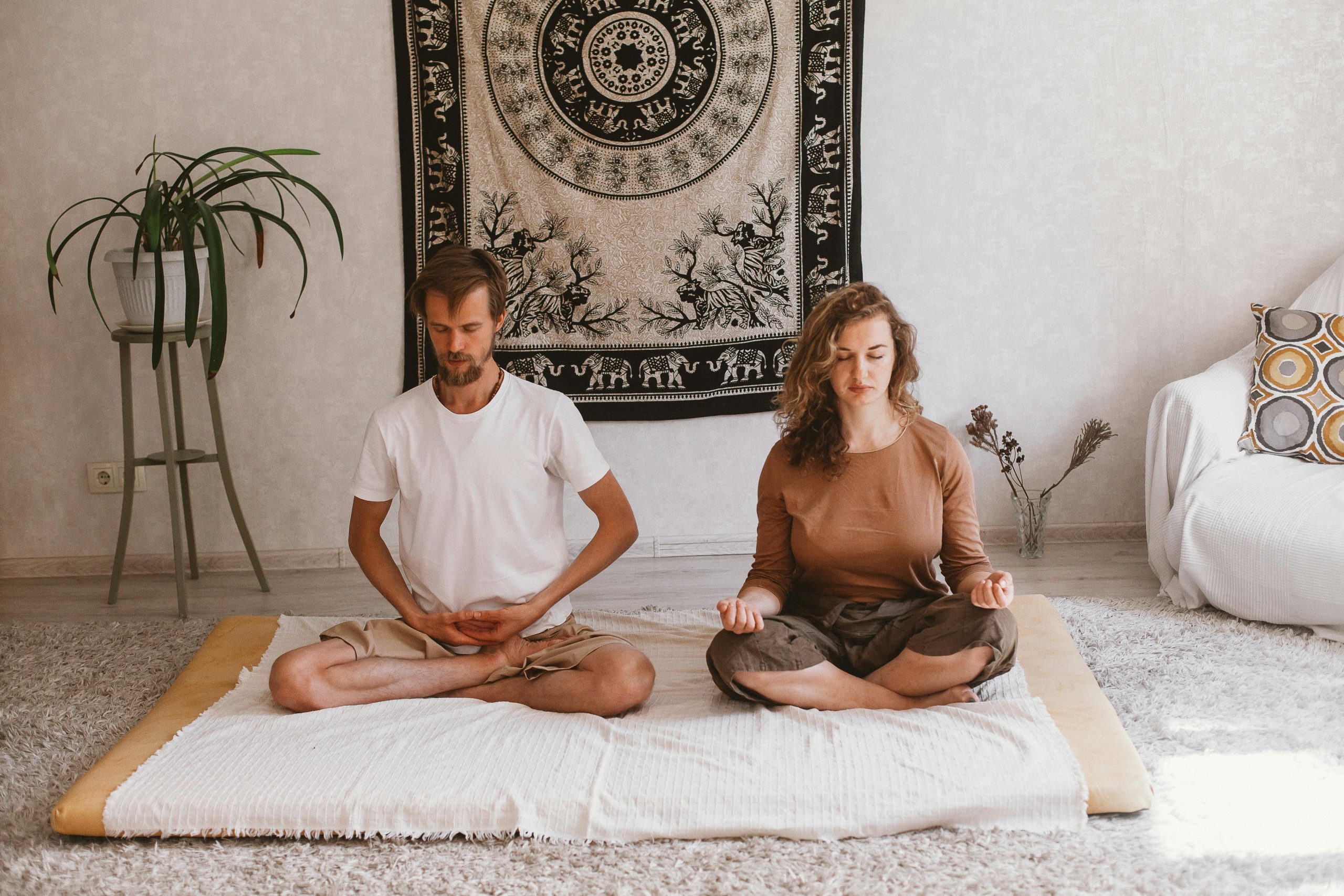
Discover Meditation Techniques for Falling Asleep Quickly
In today’s fast-paced world, a good night’s sleep is sometimes elusive. Many of us find it hard to shut down our brains and drift off after a bustling day. If you’re tossing and turning, maybe it’s time to discover meditation techniques designed specifically to help you fall asleep quickly. Meditation not only quiets the mind but also prepares your body for a deep, restorative sleep.
Why Choose Meditation for Sleep?
Before diving into the techniques, let’s explore why meditation can be your ally against sleepless nights. Studies suggest that meditation helps decrease stress and anxiety, which are common culprits behind sleep disruptions. By incorporating meditation into your bedtime routine, you can foster a state of calm that paves the way for quicker and more peaceful sleep.
Effective Meditation Techniques to Try Tonight
Here are some carefully curated meditation techniques that you can try tonight for a sound sleep:
1. Mindful Breathing
The simplicity of this technique makes it a good starting point for beginners. Lie down in your bed, close your eyes, and focus exclusively on your breathing. Pay attention to the natural inhale and exhale without trying to control it. When your mind wanders, gently guide your focus back to your breath. This practice helps anchor your mind in the present moment, easing you into sleep.
2. Body Scan Meditation
Start at your toes and move upward, gradually focusing on relaxing each part of your body. Notice any areas that hold tension and consciously release it. By the time you reach your head, your body should feel lighter and more relaxed, making it easier to fall asleep.
3. Guided Visualization
Imagine a scene that is calming and pleasant. This might be a quiet beach at sunset or a starry sky in the mountains. Engage all your senses as you picture this place; hear the waves, smell the fresh air, and feel the sand beneath you. This technique not only distracts from daily worries but also signals your body it’s time for rest.
4. Counting Meditation
Count your breaths backward from 100. This method demands enough concentration to prevent your mind from straying to stress-inducing thoughts and is mundane enough to make you feel sleepy.
5. Mantra Repetition
Choose a calming word or phrase and silently repeat it as you breathe. This repetition can be soothing and acts as a tool to bring your focus away from intrusive thoughts that can delay sleep.
Frequently Asked Questions About Meditation for Sleep
What is the best time to meditate for sleep?
Meditating right before bed or as part of your bedtime routine is ideal. This helps create a psychological association between meditation and sleep, which over time makes it easier to transition from wakefulness to sleep.
How long should I meditate to fall asleep?
Even a short meditation of 5-10 minutes can be effective in calming the mind and preparing the body for sleep. Over time, you can adjust the duration according to what works best for you.
Can meditation replace sleep aids?
While meditation is a powerful tool for enhancing the quality of sleep, it should not be used as a direct replacement for prescribed sleep aids. Consult your healthcare provider before altering any prescribed regimen.
What if meditation doesn’t work for me?
Meditation takes practice and might not be effective immediately. It’s important to try different types of meditation to find the one that works best for you. Consistency is key. Don’t get discouraged if it doesn’t work right away.
Are there any tools that can help with meditation for sleep?
Yes, there are numerous apps and online resources that offer guided meditations for sleep. These can be very helpful, especially for beginners, or for those seeking guided visualization or mantra repetition.
Conclusion: Discover the Benefits of Meditation for Sleep Tonight
Discover meditation techniques for falling asleep quickly and harness the benefits tonight. Whether you choose mindful breathing, a body scan, or visualization, these strategies are designed to help you declutter your mind and ease into sleep.
Consistency is crucial, as is finding the technique that fits your personal preferences and comfort. Don’t be afraid to explore the various options and integrate them into your nightly routine. With time and practice, meditation can enhance your sleep quality and help you wake up rejuvenated, ready to tackle another day.
Sleep is essential, and meditation is a powerful ally. By making it a part of your bedtime routine, you’re prioritizing your mental and physical health. So why wait? Begin tonight, and drift into dreamland effortlessly with the aid of meditation.