

Boost Your Health: The Impact of Exercise on Sleep Quality
In the quest for better health and improved well-being, two critical components often emerge: exercise and sleep. Both paramount in their own right, these elements work synergistically to enhance overall health. Recent studies underline a growing recognition of how exercising can significantly boost your sleep quality. If you’re seeking to revamp your sleep patterns, understanding the impact of exercise on sleep can be a game-changer.
The Science Behind Exercise and Sleep Quality
Regular physical activity has long been advocated for maintaining good health, but its effects on sleep may not be as universally understood. Exercise influences sleep through various physiological mechanisms, such as body temperature regulation, mood improvement, and the reduction of stress and anxiety levels. Increased body temperatures during exercise simulate a temperature drop at night, signaling the body that it is time to rest.
Moreover, engaging in regular exercise promotes the increase of slow-wave sleep, also known as deep sleep, during which the body repairs and regenerates tissues, builds bone and muscle, and strengthens the immune system. Not only does exercise extend the duration of this restorative sleep stage, but it also helps in recalibrating the body’s natural sleep-wake cycle or circadian rhythm, particularly if performed in natural, outdoor light.
Optimizing Exercise for Sleep Enhancement
While it’s clear that exercise benefits sleep quality, the type, timing, and amount of exercise can influence these effects. Here are a few tips to help you integrate exercise into your life to boost your sleep quality:
-
Choose Aerobic Exercises: Activities like walking, running, and swimming are known to dramatically improve the quality and regularity of your sleep, especially if you engage in them regularly.
-
Mind the Timing: Exercising too close to bedtime can have a stimulant effect, due to the endorphins released during physical activity. It’s best to schedule exercise at least three hours before bedtime to allow your body temperature and heart rate to return to normal levels.
-
Consistency is Key: Regular, moderate exercise yields better sleep-improvement results than intermittent, intense workouts. A consistent workout schedule keeps your circadian rhythm on track, reinforcing natural sleep patterns.
-
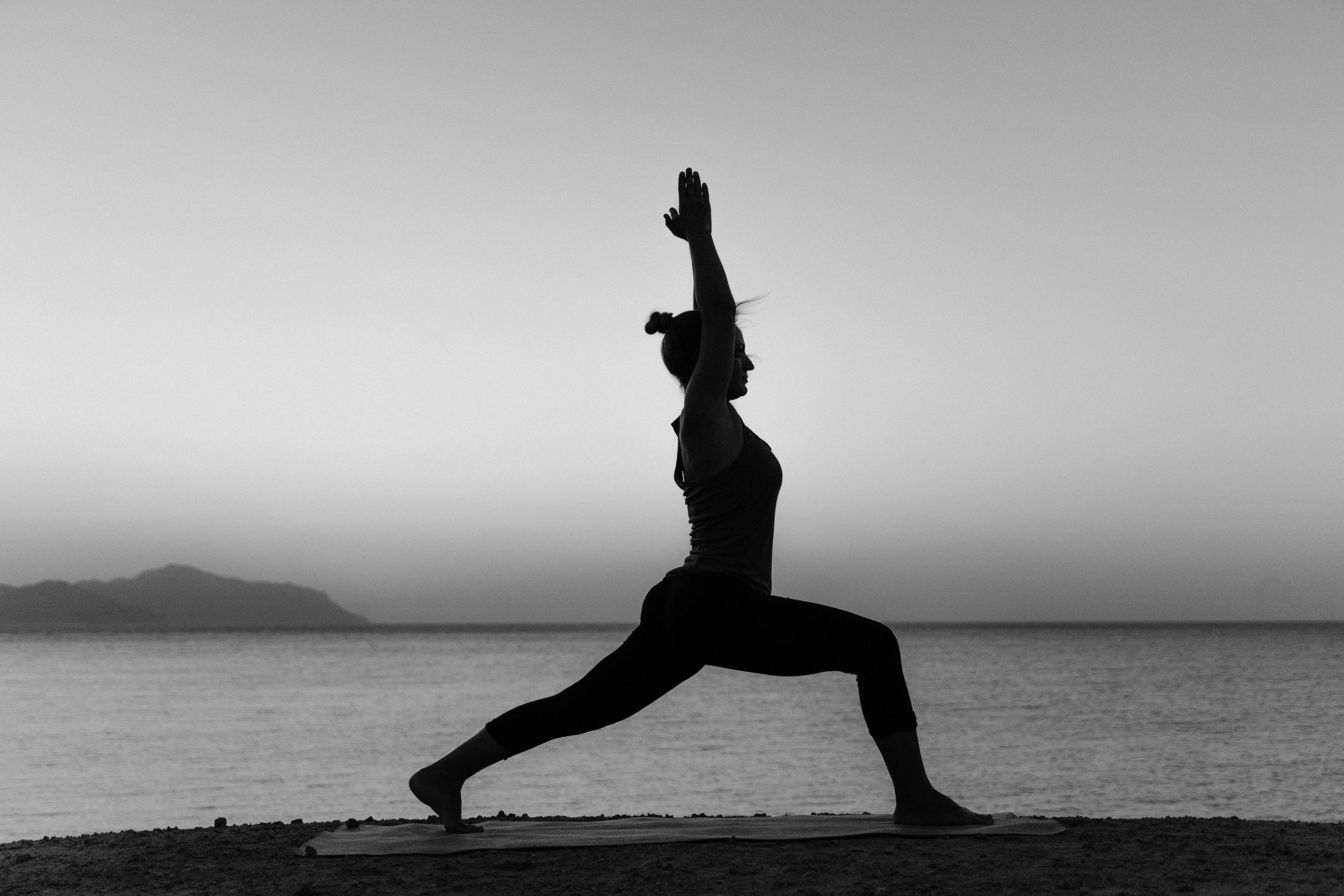
Relax with Yoga and Stretching: Incorporating gentle, relaxing exercises like yoga or stretching in the evening can help ease the transition into restful sleep. These activities also aid muscle relaxation, reduce stress levels, and calm the mind.
FAQs: Exercise and Sleep Quality
1. How much exercise do I need to improve my sleep?
Aim for at least 150 minutes of moderate aerobic activity or 75 minutes of vigorous activity spread throughout the week. Consistency is more beneficial than intensity for improving sleep quality.
2. Can exercise help with sleep disorders like insomnia?
Yes, regular physical activity has been shown to help reduce the symptoms of insomnia and other sleep disorders. By promoting quicker sleep onset and deeper sleep cycles, exercise can be a powerful tool in managing insomnia.
3. What is the best time of day to exercise to improve sleep?
Morning or afternoon exercise can enhance sleep quality due to increased exposure to natural light (which helps regulate your body’s sleep-wake cycle) and ensuring body temperature drops by bedtime. However, the best time can vary depending on individual lifestyles and preferences.
4. Does stretching before bed improve sleep?
Yes, performing gentle stretches or yoga before bed can help calm the mind and relieve muscle tension, which may aid in improving sleep quality.
Conclusion: Embrace Exercise as a Sleep Aid
The connection between exercise and sleep quality is undeniable and adapting your routine can significantly boost your health. Juggling intense fitness regimens isn’t necessary; regular, moderate exercise is enough to promote better sleep health. Starting an exercise regimen can be as simple as taking daily walks or practicing yoga, tailored to fit your schedule and lifestyle.
Embracing exercise not only enhances your physical health but also improves your sleep, providing a double boost to your overall well-being. So, lace up your sneakers, stretch out those limbs, and pave your way to better sleep and a healthier life. Remember, when you boost your health through exercise, you are investing in a more energetic and vibrant self.