

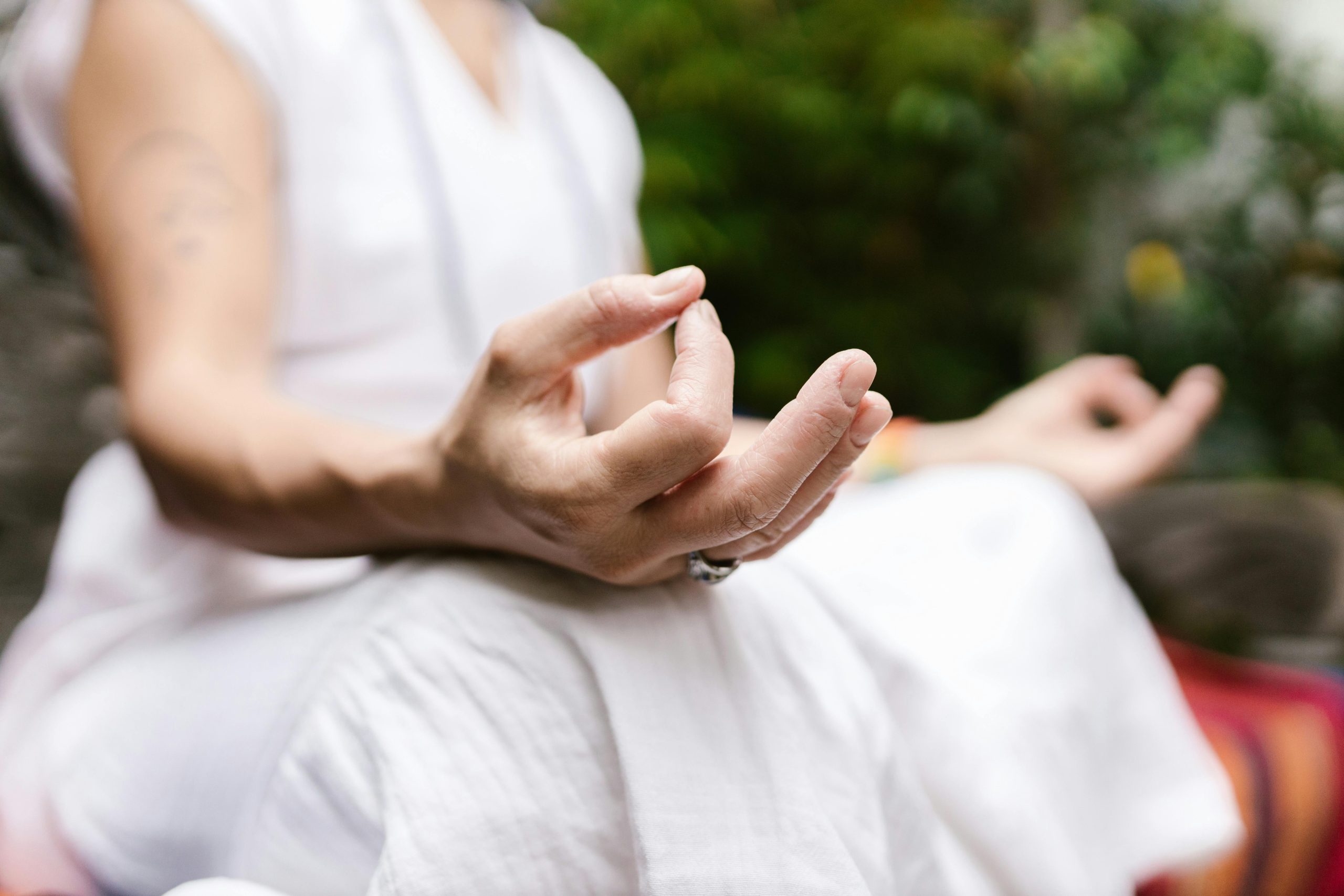
Discover Tranquility: How Meditation for Sleep Can Transform Your Nights
In the hustle and bustle of modern life, achieving a peaceful night’s sleep can seem like a distant dream. Whether it’s stress, anxiety, or chronic pain, numerous factors can disturb our much-needed rest. However, embracing meditation for sleep may just be your golden ticket to reclaiming those tranquil nights. Let’s dive into how the ancient practice of meditation can be a game-changer in enhancing your sleep quality.
Introduction to Meditation for Sleep
Meditation, a practice as old as time, often conjures images of serenity and deep relaxation. However, beyond its conventional acclaim for spiritual and emotional benefits, meditation has emerged as a potent remedy for sleep disturbances. This practice involves techniques like mindfulness, where you focus on your breathing and observe your thoughts non-judgmentally, helping quiet the mind’s chatter and prepare the body for sleep.
When you incorporate meditation into your nightly routine, you inch closer to mastering your sleep environment. This process isn’t just about shutting your eyes and hoping for the best but rather, conditioning your mind and body to transition smoothly into a restful state.
The Science Behind Meditation for Better Sleep
Scientific evidence lends robust support to the sleep-enhancing benefits of meditation. Studies reveal that meditation can increase the production of the sleep hormone, melatonin, and enhance the brain’s gamma-aminobutyric acid (GABA) levels, which help decrease anxiety. Moreover, meditation activates parts of the brain associated with sleep regulation, making it easier for you to drift off into a deep sleep.
By implementing Discover Tranquility: How Meditation for Sleep Can Transform Your Nights into your routine, you’re not just guessing; you’re employing a scientifically backed method to improve your sleep quality.
How to Practice Meditation for Sleep
Embarking on meditation for sleep doesn’t require extensive preparations. Here are simple steps to get you started:
-
Create a Relaxing Environment: Ensure your bedroom is quiet, dark, and cool. Consider aromatherapy with lavender or chamomile scents to boost relaxation.
-
Choose Your Method: Guided meditations can be particularly effective for beginners. These guided sessions can be found on many health apps and websites and often include soothing narratives to help you focus and relax.
-
Focus on Your Breath: Start by taking slow, deep breaths. Inhale through your nose, hold for a few seconds, and then exhale through your mouth. This pattern helps reduce your heart rate and blood pressure, priming you for sleep.
-
Mindfulness Meditation: Lie down comfortably and notice your body’s sensations, the softness of your bed, the warmth of your blanket, without judgment. Whenever your mind wanders, gently bring your focus back to your breath.
-
Consistency is Key: Try to meditate at the same time each night. Consistency helps reinforce your body’s sleep-wake cycle.
FAQs About Meditation for Sleep
To help you better understand Discover Tranquility: How Meditation for Sleep Can Transform Your Nights, here are some commonly asked questions:
Q1: How long should I meditate before sleep?
A: Start with 5-10 minutes and gradually increase the duration as you feel comfortable. Some people find that even a few minutes of meditation can make a significant difference.
Q2: Is it normal for my mind to wander during meditation?
A: Absolutely, it’s entirely normal. The goal isn’t to completely empty your mind but rather to notice when it wanders and gently bring your focus back to your breathing or guide.
Q3: Can meditation for sleep replace sleep medication?
A: While meditation is a powerful tool for improving sleep quality, it’s not a substitute for professional medical advice. If you have chronic insomnia or other sleep disorders, it’s wise to consult with a healthcare provider.
Q4: Can I meditate in bed?
A: Yes, meditating in bed can be quite effective, especially if you’re preparing for sleep. Make sure you’re in a comfortable position so you don’t fall asleep during the practice if that isn’t your goal.
Conclusion
Integrating Discover Tranquility: How Meditation for Sleep Can Transform Your Nights into your life isn’t just about sleeping better; it’s about enhancing your overall quality of life. With consistent practice, you’ll notice not just improved sleep but also reduced stress levels, better mood regulation, and increased overall well-being. Remember, like any skill, meditation requires practice, so be patient with yourself and observe the transformation unfold. Here’s to discovering tranquility and transforming your nights, one breath at a time.