

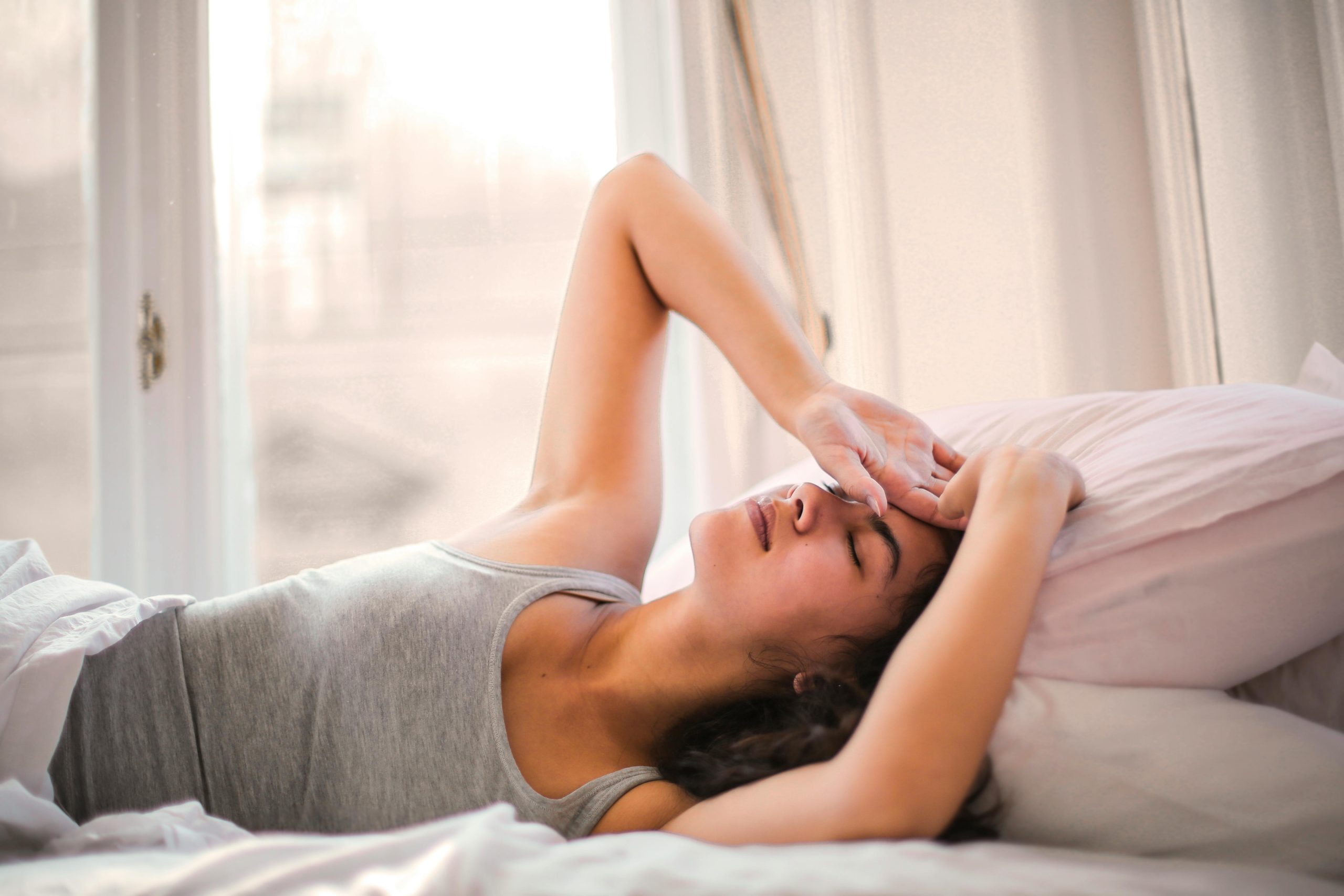
Understanding Common Sleep Disorders in Teenagers: Symptoms, Causes, and Solutions
In today’s fast-paced world, teenagers are more sleep-deprived than ever before. The prevalence of sleep disorders in teenagers is a growing concern that merits attention and understanding. As parents, educators, and health professionals, identifying the symptoms and causes of these sleep disturbances can be the first step toward helping adolescents navigate these challenges. In this detailed discussion, we’ll explore the symptoms of common sleep disorders in teenagers.
Introduction to Sleep Disorders in Teenagers
Teenage years are critical for mental and physical development, and sleep plays a pivotal role in this process. Unfortunately, various factors contribute to sleep disorders in teenagers, from hormonal changes and social pressures to an increased use of technology. Understanding common sleep disorders in teenagers, especially identifying the symptoms, helps in early detection and effective management.
Symptoms of Common Sleep Disorders in Teenagers
- Insomnia
Insomnia in teenagers manifests as difficulty falling asleep or staying asleep. This often leads to excessive daytime sleepiness, a drop in school performance, irritation, and mood swings. If your teenager takes more than 30 minutes to fall asleep regularly or complains of waking up frequently during the night, it may be time to evaluate for insomnia. - Narcolepsy
Narcolepsy is characterized by extreme daytime sleepiness and sudden bouts of sleep, regardless of the situation. Teenagers may also experience cataplexy — a sudden, brief loss of voluntary muscle tone triggered by strong emotions. Early signs include collapsing or weakness during laughter, anger, or other intense emotions. - Sleep Apnea
Obstructive Sleep Apnea (OSA) is not just an adult disorder; it’s increasingly common in teenagers too. Symptoms include loud snoring, long pauses in breathing during sleep, choking or gasping for air, and restless sleep. Daytime symptoms like fatigue and difficulty concentrating in school can often be misinterpreted as laziness or a lack of interest. - Restless Legs Syndrome (RLS)
RLS causes an uncontrollable urge to move the legs, usually due to an uncomfortable sensation. It typically happens in the evenings or nights when one is sitting or lying down. Movement eases the unpleasant feeling temporarily. Teens with RLS often struggle to fall asleep and stay asleep, leading to daytime drowsiness. - Circadian Rhythm Sleep Disorders
Teens often experience shifts in their biological clocks that lead them to prefer later bedtimes and wake times. However, this can be exacerbated and lead to disorders like Delayed Sleep Phase Syndrome (DSPS), where the teen’s sleep pattern is delayed by two hours or more without the ability to fall asleep earlier.
Causes of Sleep Disorders in Teenagers
Several factors contribute to sleep disorders in teenagers. The surge in hormones during puberty can shift circadian rhythms, making it harder for teens to fall asleep early. The increasing academic and social pressures, along with the use of screens and technology late into the night, also disrupt sleep patterns. Furthermore, lifestyle choices such as caffeine consumption and lack of physical activity play a significant role.
Managing Sleep Disorders in Teenagers
- Consistent Sleep Schedule:
Encourage a regular sleep-wake cycle, even on weekends. This consistency helps regulate the body’s internal clock and can greatly improve sleep quality. - Create a Sleep-Inducing Environment:
A quiet, dark, and cool environment can enhance sleep quality. Reducing screen time before bed, using blackout curtains, and maintaining a comfortable temperature can create conducive sleeping conditions. - Promote Healthy Lifestyle Choices:
Regular physical activity and a healthy diet can improve sleep quality. Limit caffeinated beverages, especially in the late afternoon and evening. - Seek Professional Help:
If sleep issues persist despite making lifestyle adjustments, it’s beneficial to consult with a healthcare provider who can recommend behavioral therapies, medications, or other treatments tailored to the specific sleep disorder.
FAQs on Understanding Common Sleep Disorders in Teenagers: Symptoms
Q: How many hours of sleep do teenagers need?
A: Teenagers typically require about 8-10 hours of sleep per night to function best.
Q: Can smartphone use before bed lead to sleep disorders?
A: Yes, the blue light emitted by screens can interfere with the production of melatonin, the hormone that regulates sleep, potentially leading to sleep disorders.
Q: Are all sleeping issues in teenagers indicative of a sleep disorder?
A: Not necessarily. It’s normal for teenagers to occasionally have trouble sleeping. However, persistent or severe issues could indicate a sleep disorder.
Conclusion
Understanding common sleep disorders in teenagers and identifying the symptoms forms the cornerstone of addressing this significant health aspect. Awareness and timely intervention not only enhance a teenager’s physical and mental health but also improve their overall quality of life. Let’s prioritize sleep just as we do other health behaviors, ensuring our teens grow into healthy, well-rested adults.