

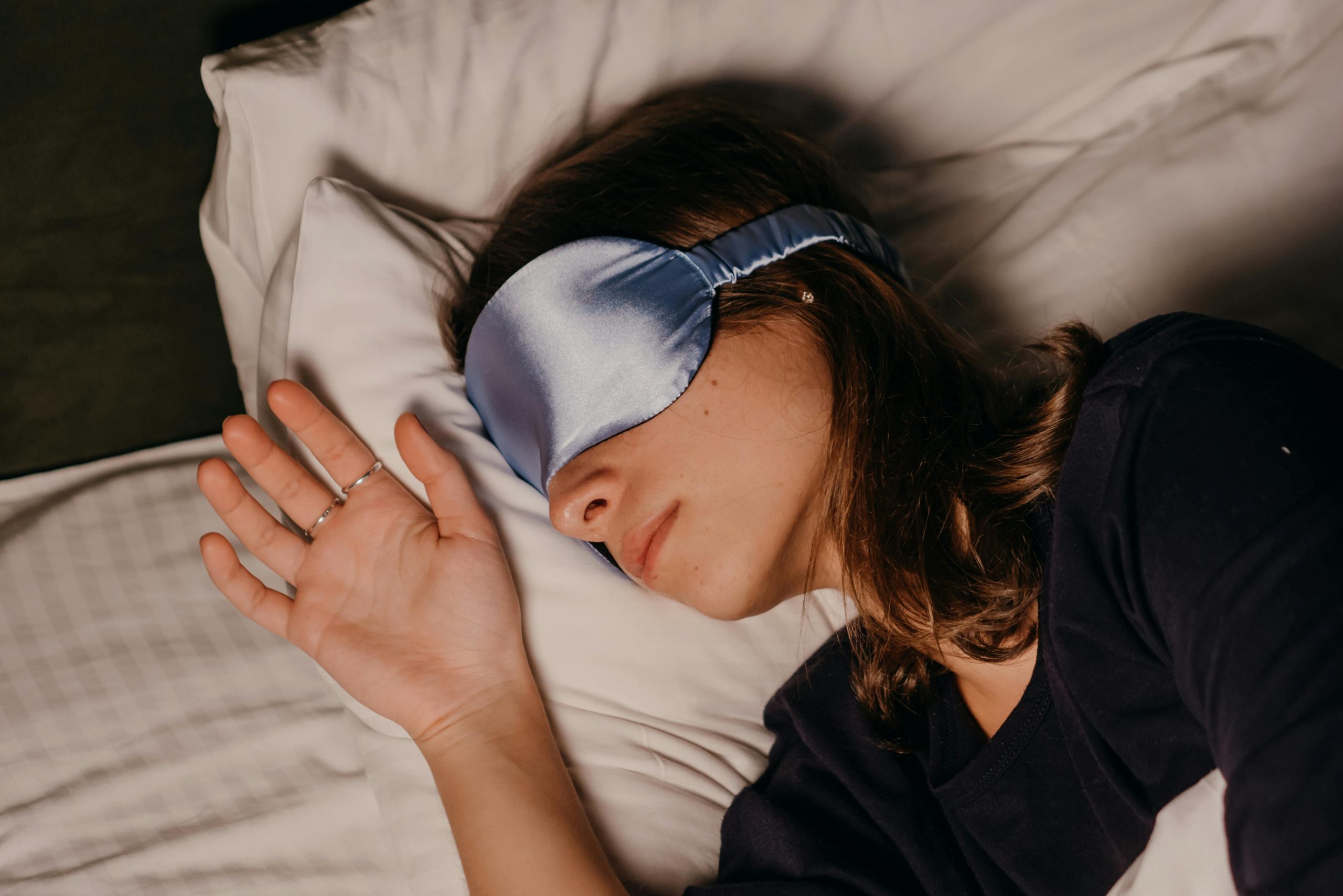
How Much Sleep Do We Need? Uncovering the Ideal Sleep Duration for Optimal Health
Introduction:
In today’s fast-paced world, where coffee is more of a fuel than a beverage, one crucial question frequently pops up: How much sleep do we need? Uncovering the ideal sleep duration is not just about dodging yawns; it’s fundamental to our overall health and well-being. Dive into this guide as we unravel the optimal sleep needs across different ages and lifestyles, ensuring you can perform your best during waking hours.
Understanding Sleep and Its Importance:
Sleep, often underrated, serves as a reset button for our bodies and brains. It’s a critical time when the body repairs itself, and the brain consolidates memories and processes information. Insufficient sleep has been linked to a variety of health issues, from heart disease and type 2 diabetes to depression and obesity.
How Much Sleep Do We Really Need?
The answer isn’t as straightforward as one might hope. The ideal sleep duration varies throughout our lifetime and is influenced by many factors including age, lifestyle, health conditions, and individual biological needs.
Recommended Sleep Durations by Age:
- Newborns (0-3 months): 14-17 hours each day. Newborns need this time to support rapid mental and physical growth.
- Infants (4-11 months): 12-15 hours. At this stage, sleep supports developmental milestones like cognitive skills and physical growth.
- Toddlers (1-2 years): 11-14 hours. Toddlers need ample sleep to fuel their very active days filled with learning and exploration.
- Preschoolers (3-5 years): 10-13 hours. As preschoolers engage more with the world, sleep helps reinforce learning and supports overall health.
- School-age children (6-13 years): 9-11 hours. School-age children need good sleep for their growing bodies and minds, impacting school performance and behavior.
- Teenagers (14-17 years): 8-10 hours. During the teenage years, sleep supports the body through puberty’s changes and helps with learning and memory.
- Adults (18-64 years): 7-9 hours. For adults, sleep helps with stress management, physical health maintenance, and cognitive functions.
- Older Adults (65+ years): 7-8 hours. As we age, sleep patterns change but continue to be crucial for overall health and cognitive function.
Factors Influencing Sleep Needs:
Several components can affect how much sleep you need. They include:
- Genetics: Some people naturally need more or less sleep.
- Physical Activity: More active individuals may need more sleep for recovery.
- Overall Health: Existing health issues can increase sleep requirements.
- Stress and Mental Health: High stress can affect sleep quality and needs.
Quality Vs. Quantity:
While duration is important, the quality of sleep also plays a critical role. Uninterrupted, deep sleep cycles are essential for brain detoxification and memory reinforcement. Thus, prioritizing good sleep hygiene is crucial.
Tips for Better Sleep Hygiene:
- Maintain Consistent Sleep Schedule: Go to bed and wake up at the same time every day.
- Create a Restful Environment: Ensure your bedroom is dark, quiet, and cool.
- Limit Screen Time Before Bed: Exposure to blue light from screens can disrupt your natural sleep cycle.
- Mind Your Diet: Avoid heavy meals, caffeine, and alcohol close to bedtime.
- Relaxation Techniques: Consider meditation or reading to help your mind wind down.
FAQs About Sleep:
- Can I make up for lost sleep with naps?
While naps can help reduce a sleep debt, they’re not a substitute for consistent good night’s sleep. Aim for regular, sufficient nighttime sleep. - Does more sleep equate to better health?
More isn’t always better. Oversleeping can be a sign of health issues or poor sleep quality. - What if I can’t sleep for 7-9 hours?
Focus on improving sleep quality and consult a healthcare provider if short sleep duration is accompanied by daytime fatigue or other symptoms.
Conclusion:
Understanding how much sleep we need and uncovering the ideal sleep duration isn’t just a matter of clocking hours but integrating quality sleep habits into our daily routine. Embrace these insights and tips to optimize your health and rediscover the joys of feeling well-rested. Remember, the right balance and routine are key to unlocking the full restorative powers of sleep. So, how much sleep do you need? The answer is uniquely yours. Listen to your body, adjust as necessary, and prepare for a brighter, more energetic tomorrow.
Embrace the journey towards better sleep and in turn, a healthier, more fulfilling life. It’s not just about avoiding fatigue; it’s about enhancing every aspect of your wellbeing. Keep exploring what works best for you and enjoy the myriad benefits that come with getting the right amount of shut-eye!